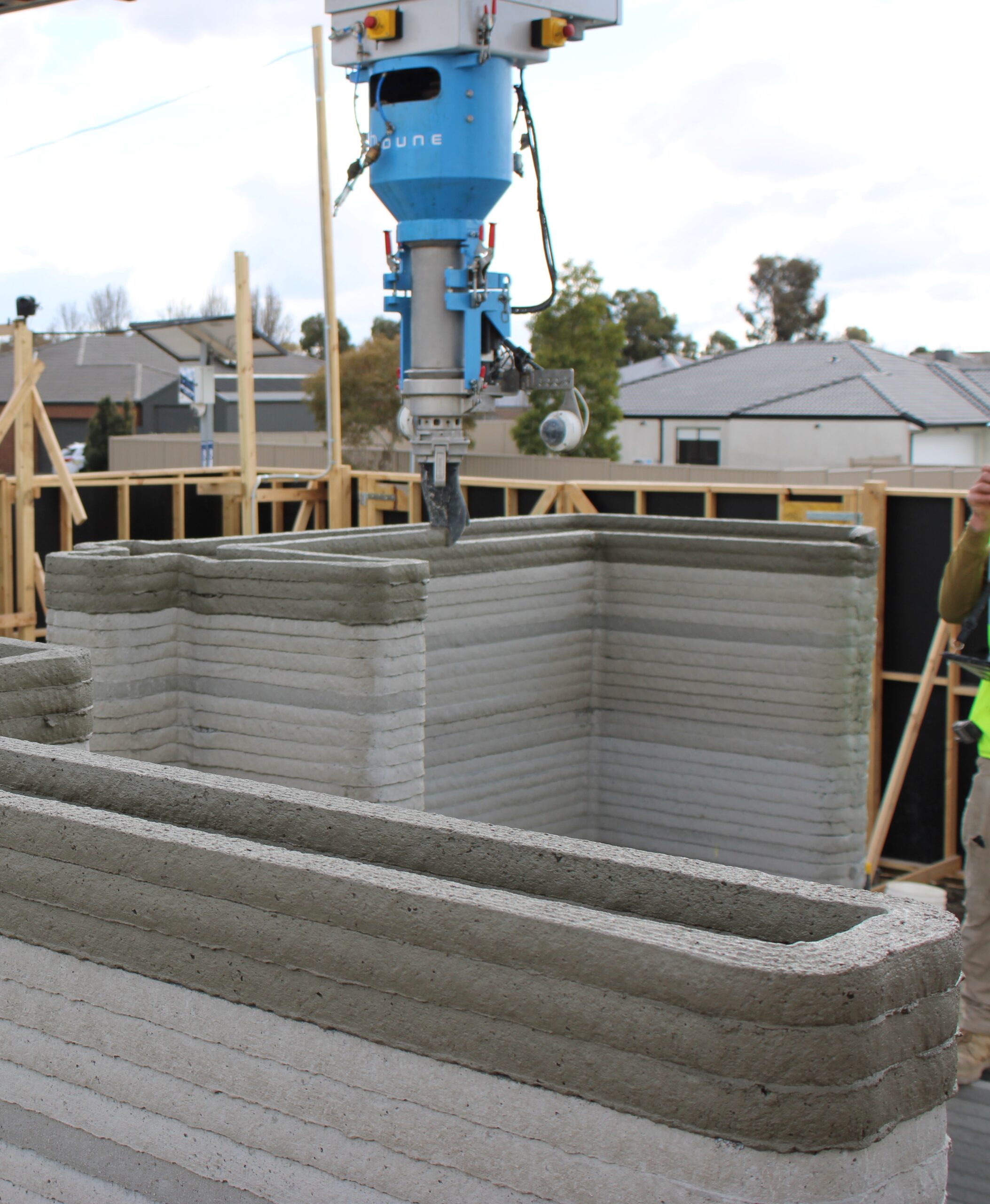
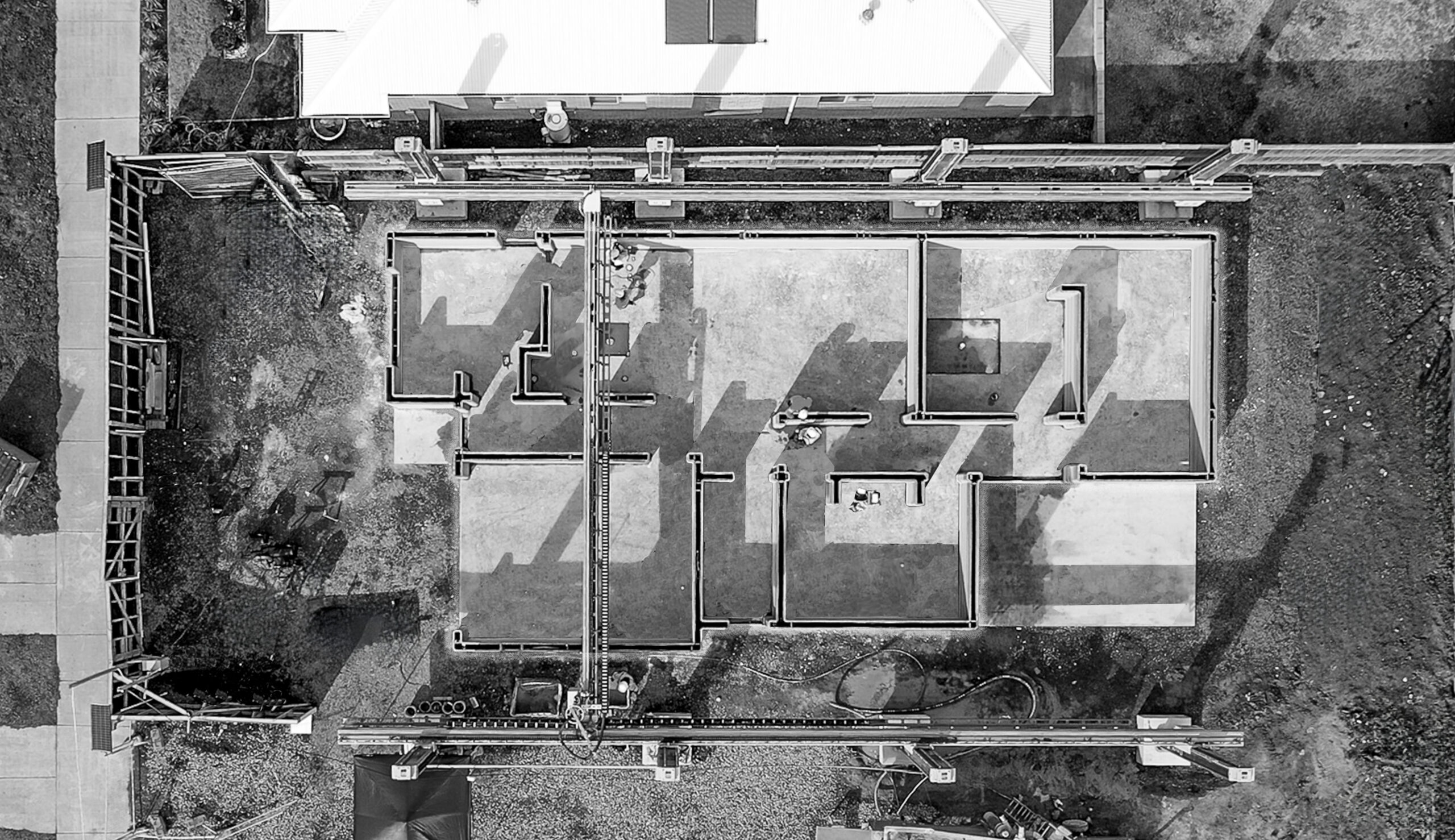
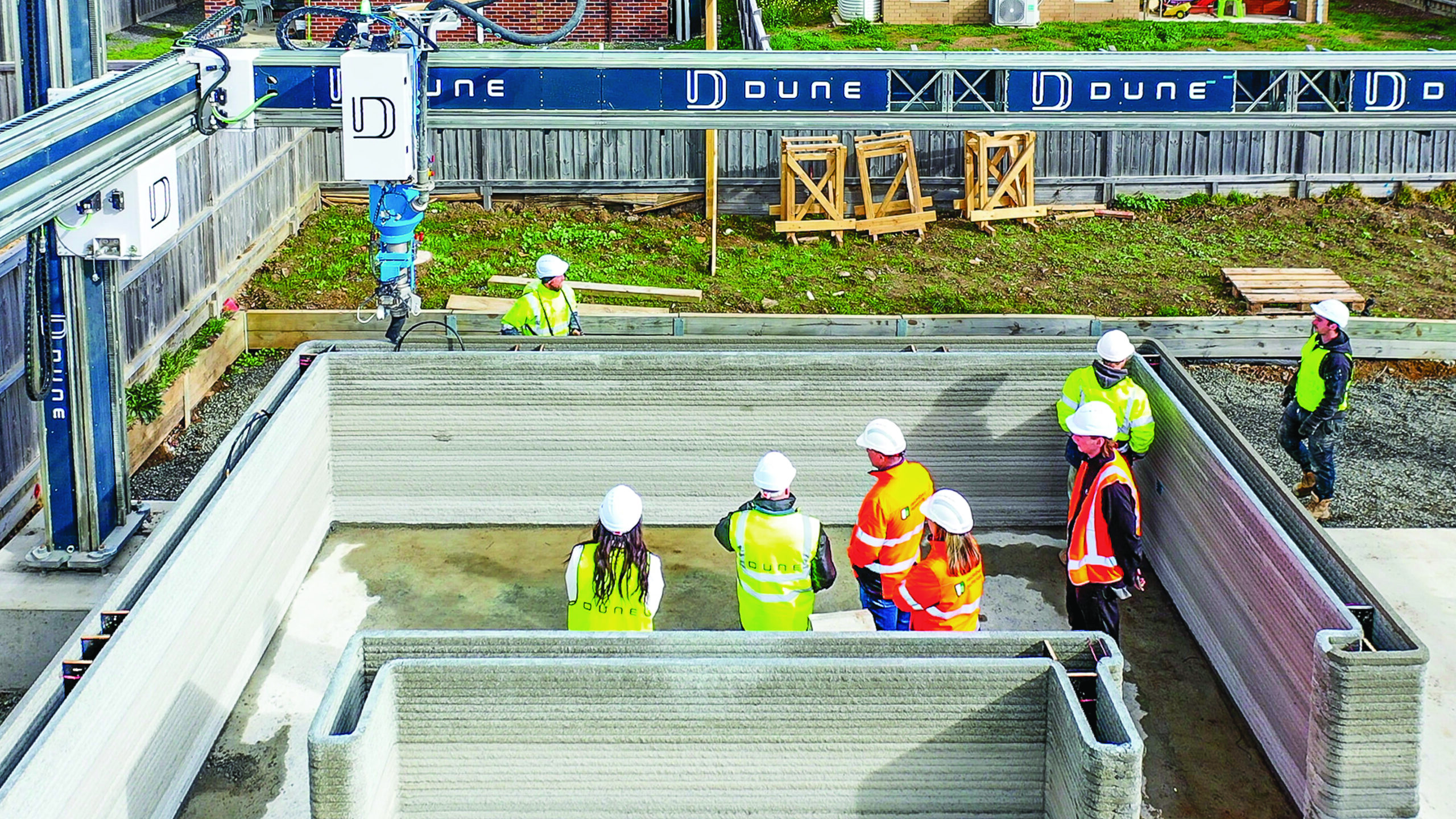
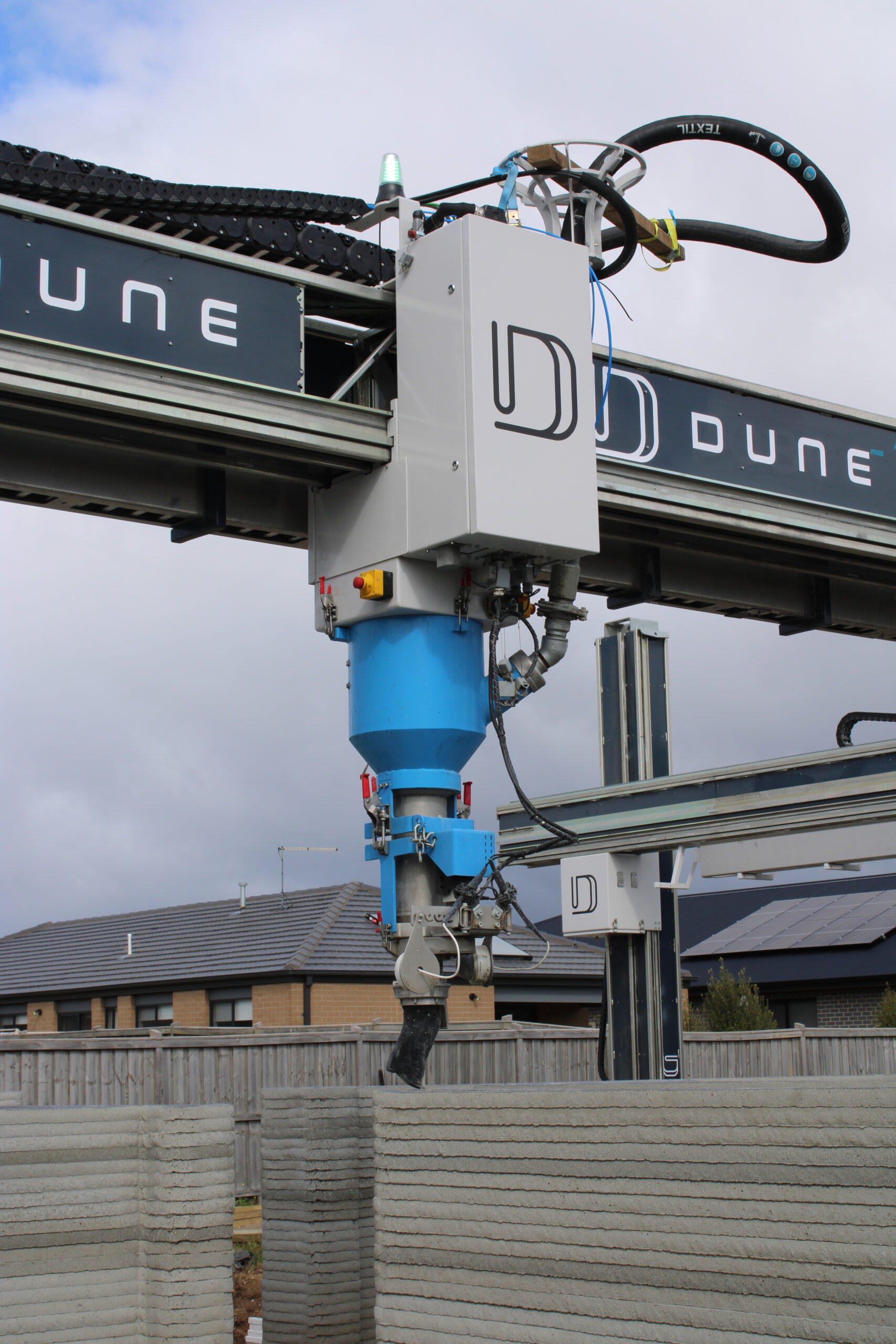
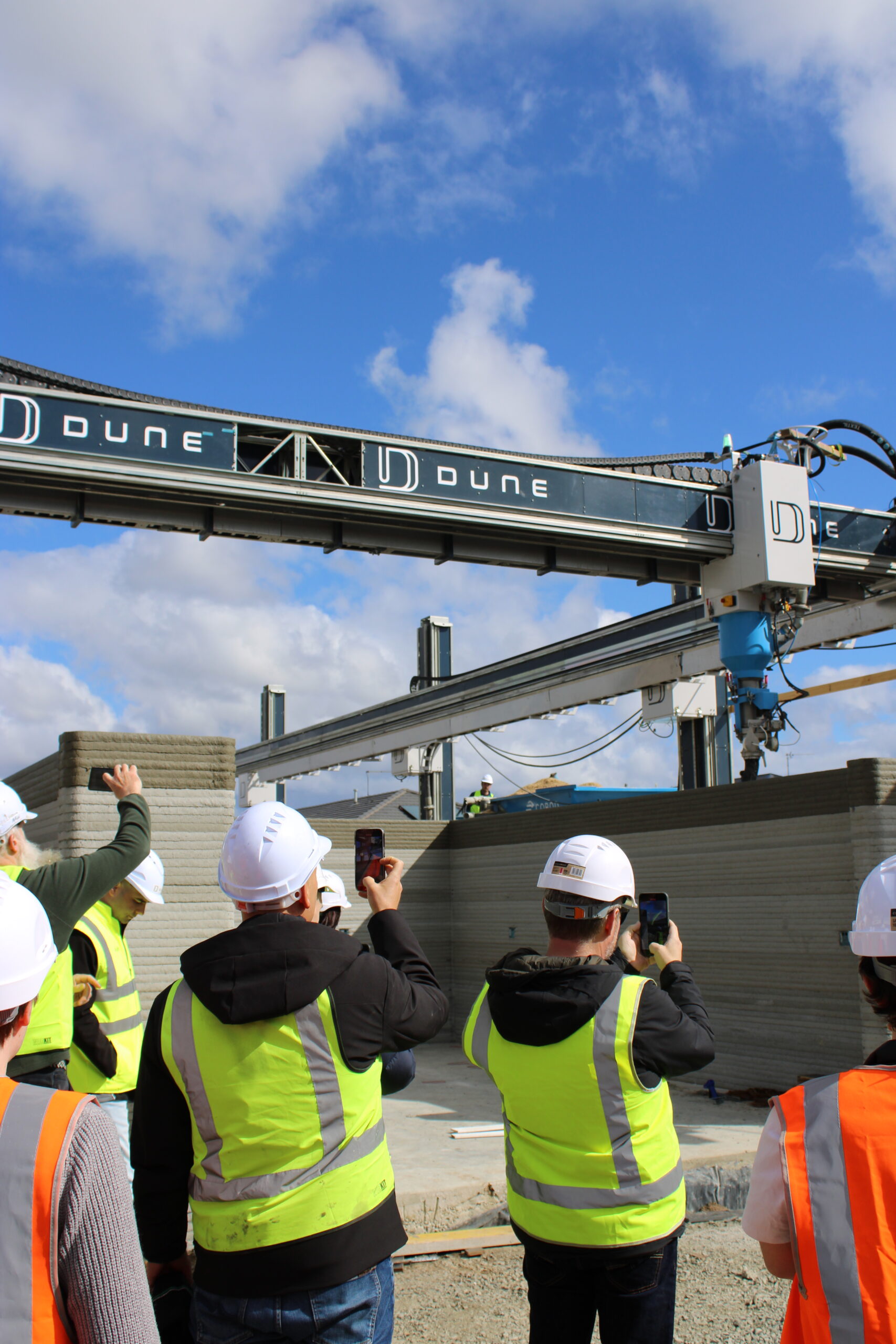
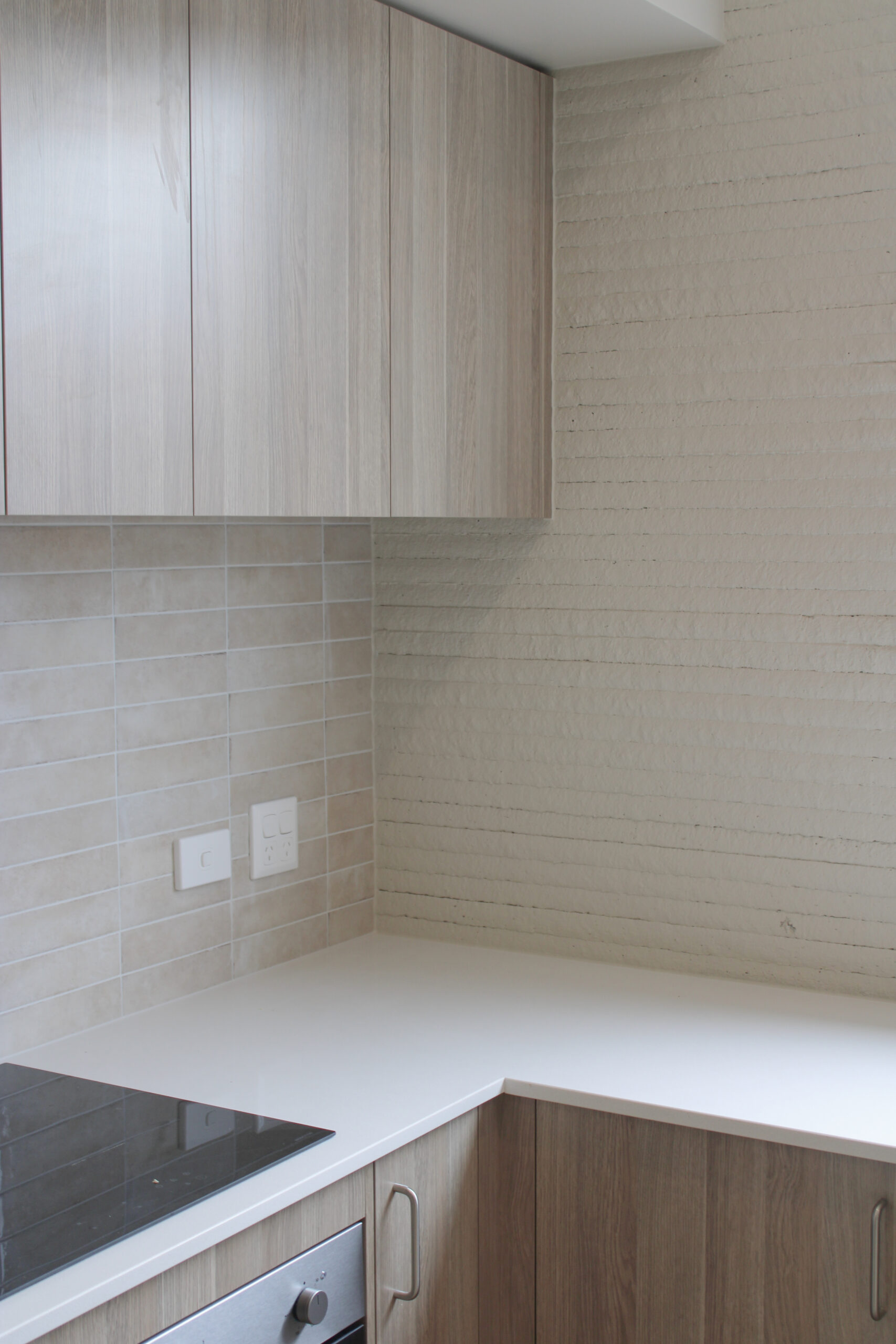
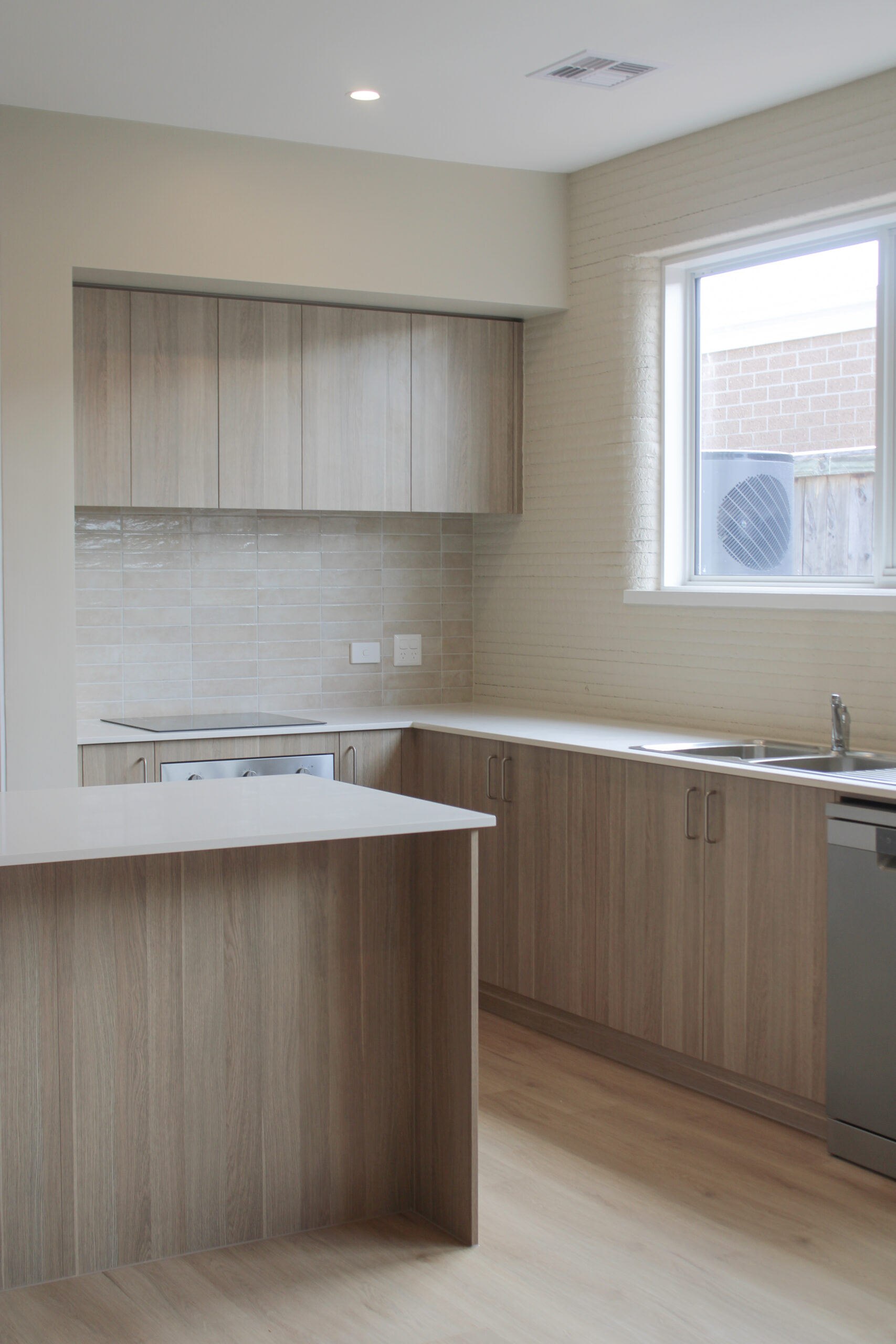
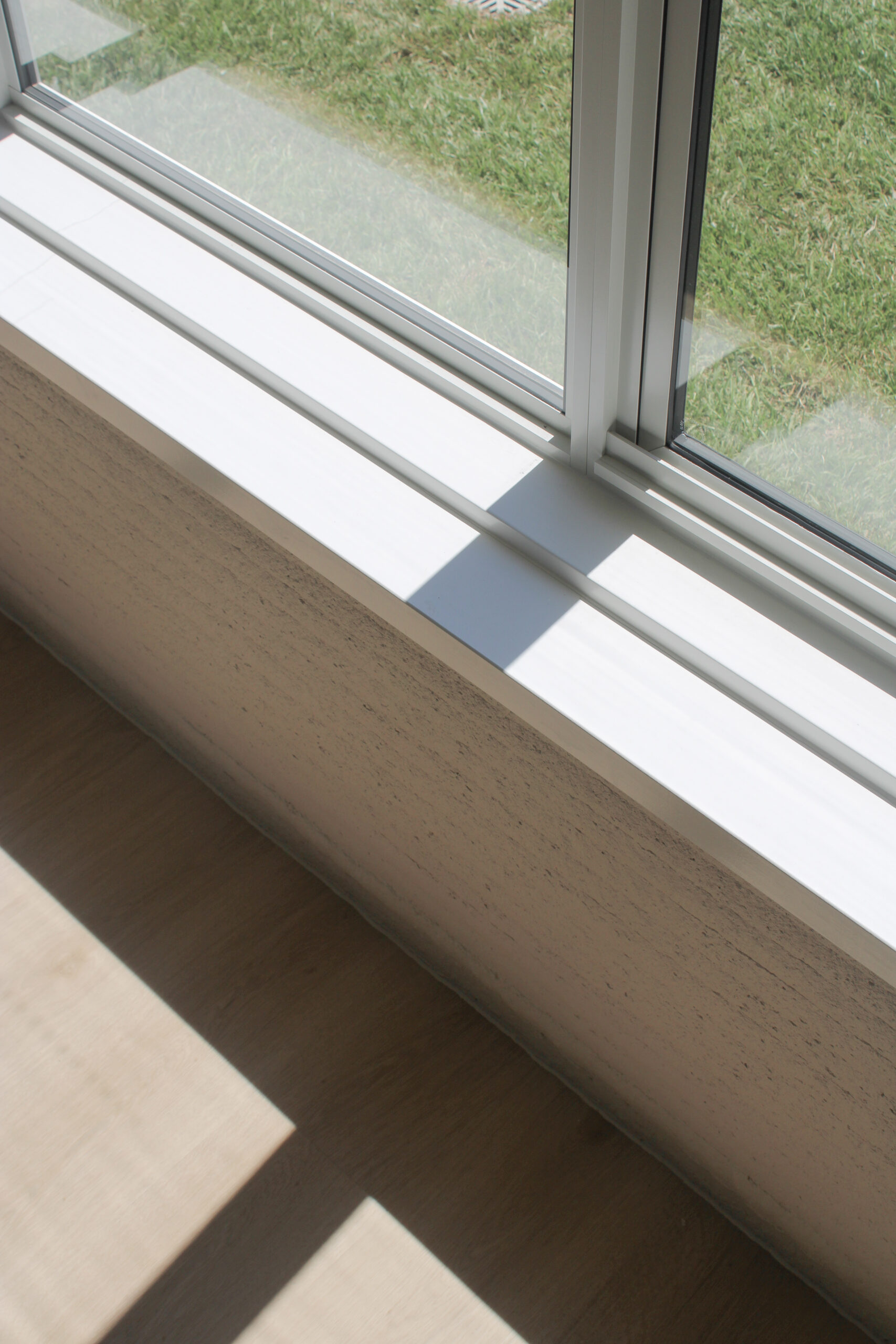
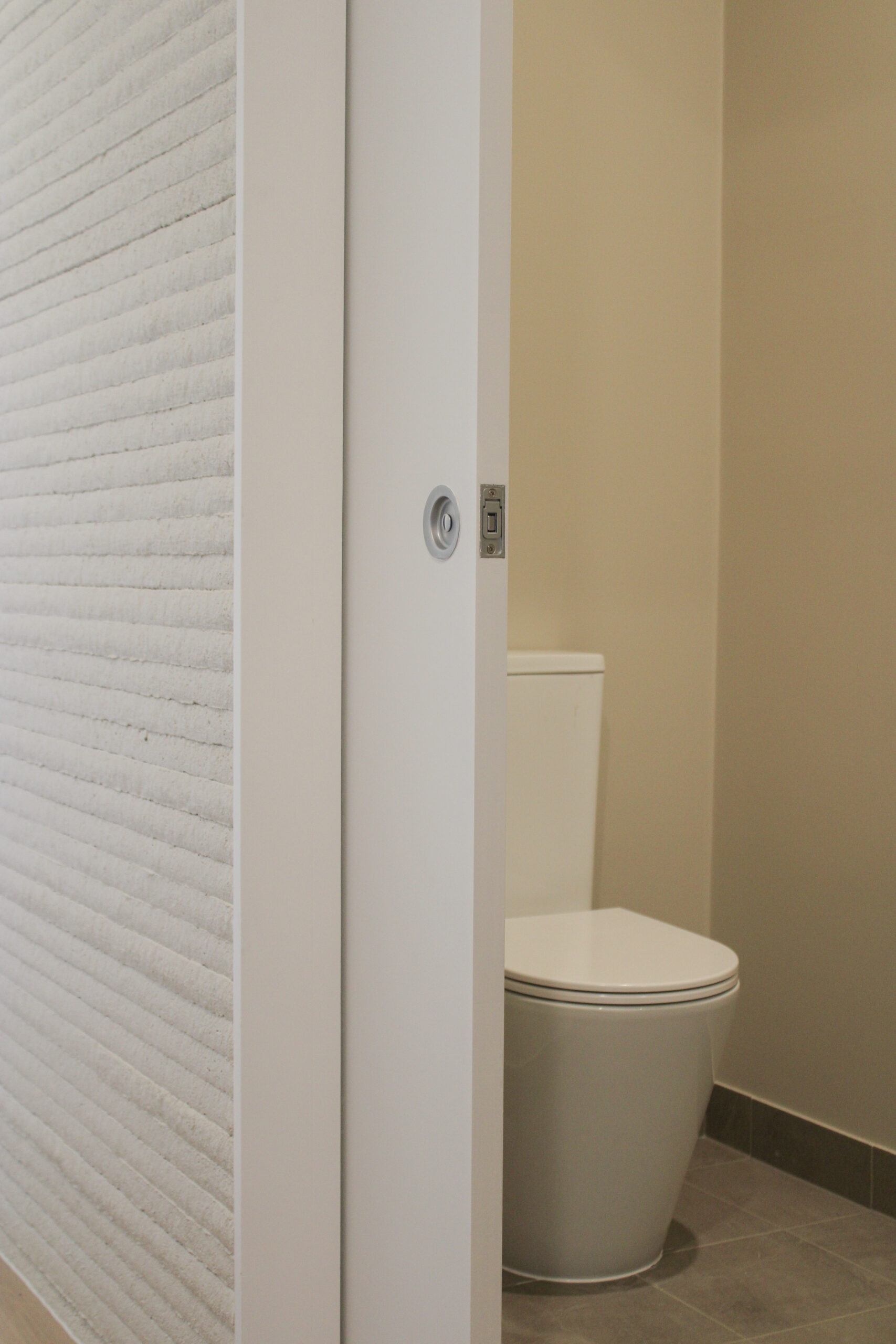
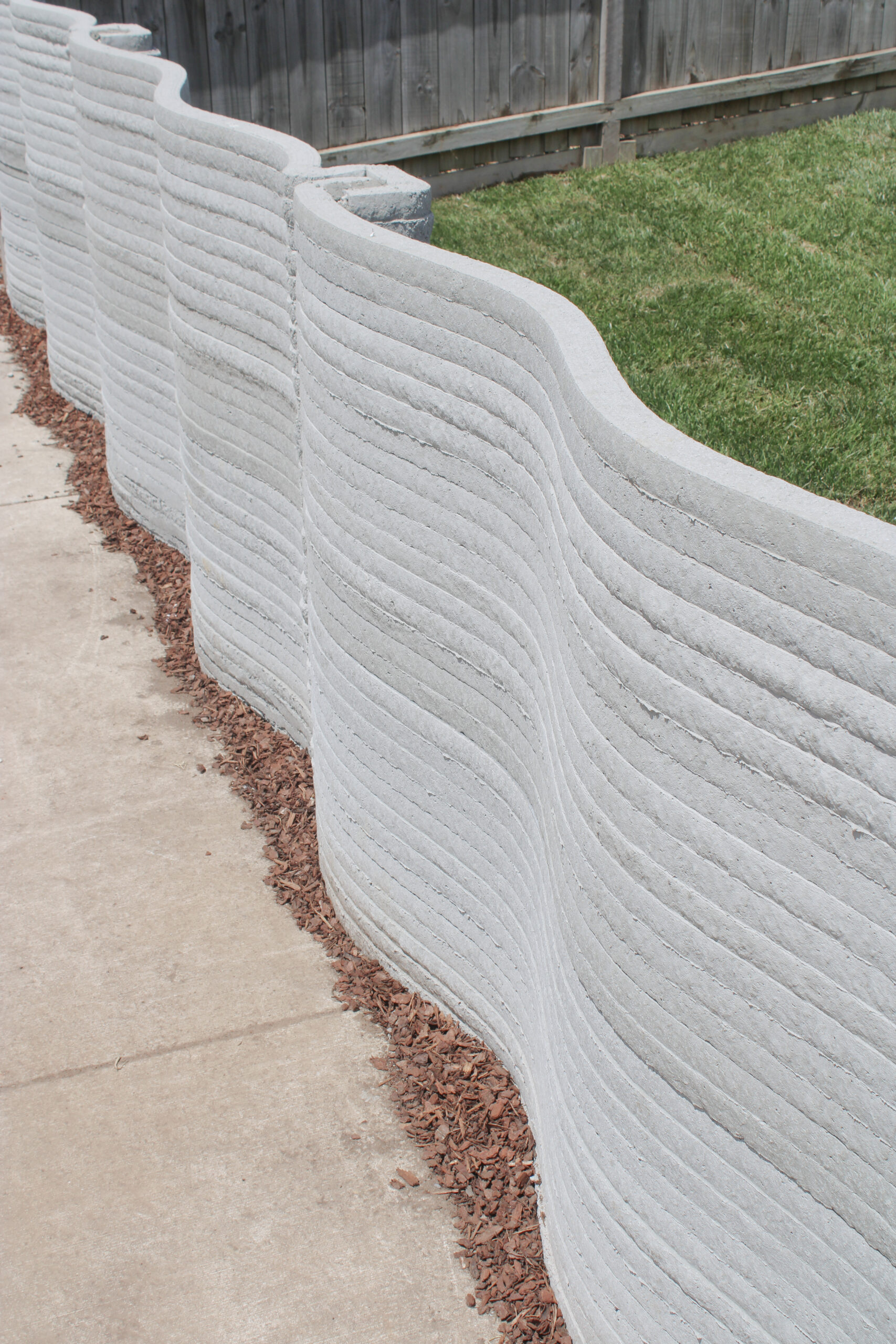
Ballarat is at the forefront of a construction revolution, with Oasis Building Group introducing cutting-edge 3D concrete printing technology to regional Victoria. Ash Quiddington, founder of Oasis Building Group and its innovation offshoot, Dune Building Technologies, is leading the effort, which centres on using 3D concrete printing for faster, stronger, and more energy-efficient construction.
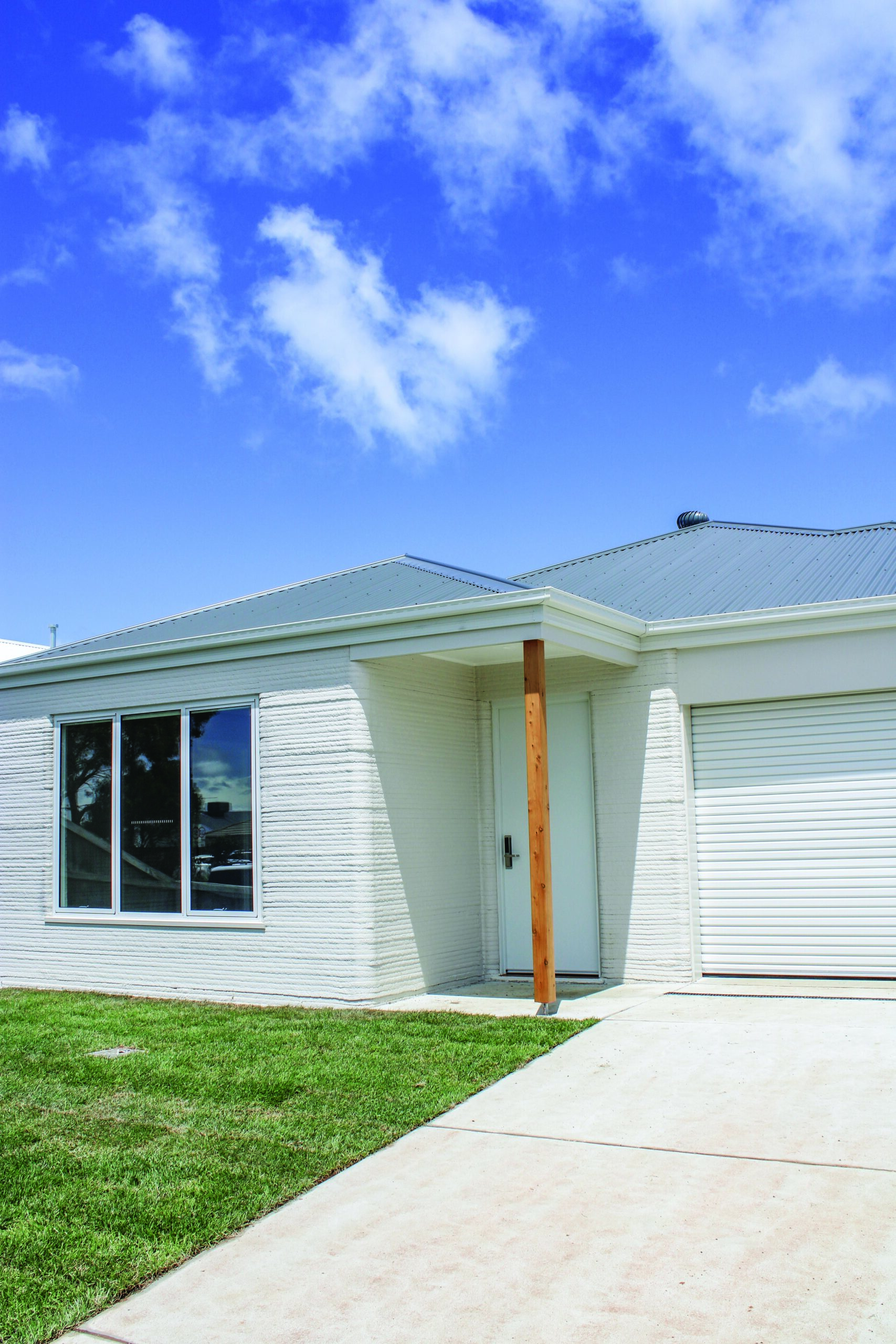
A major component of this initiative is a partnership with Swinburne Uni and SmartCrete CRC, who are providing engineering expertise, testing the printed wall structures against the National Construction Code, and aiming 3D Printing to be implemented into Australian Standards. The first regional Victorian 3D-printed home was a pilot project in Ballarat, demonstrating the technology’s potential to enhance design flexibility, and establish a new benchmark for durable, high-performance housing.
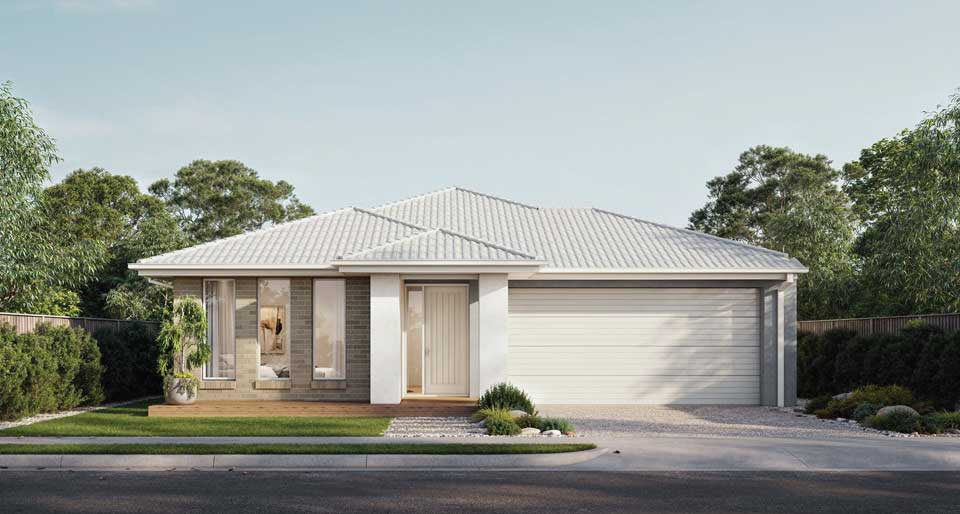
Next up is a display home in Lucas, featuring a partially 3D-printed exterior paired with traditional interiors for familiarity. Oasis plans two additional 3D builds in Lucas, signalling strong momentum for this sustainable approach. With walls printed in days and up to 60% more energy efficiency than conventional homes, this innovation promises lower long-term costs and a greener future for housing.
When it comes to future-focused construction, energy efficiency and sustainability aren’t just buzzwords – they’re essential. So, how does this innovative approach deliver on both fronts?
Energy Efficiency Built In
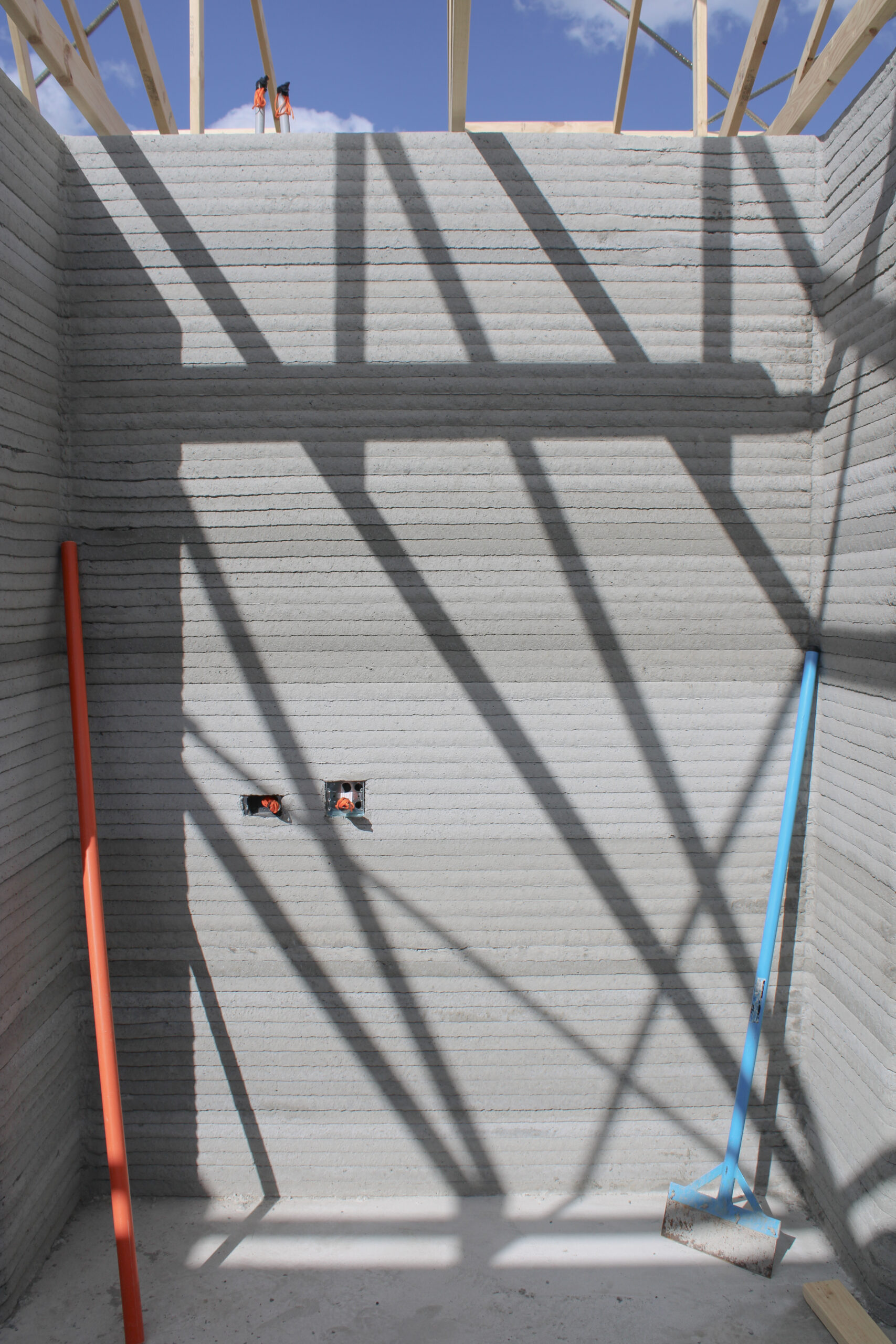
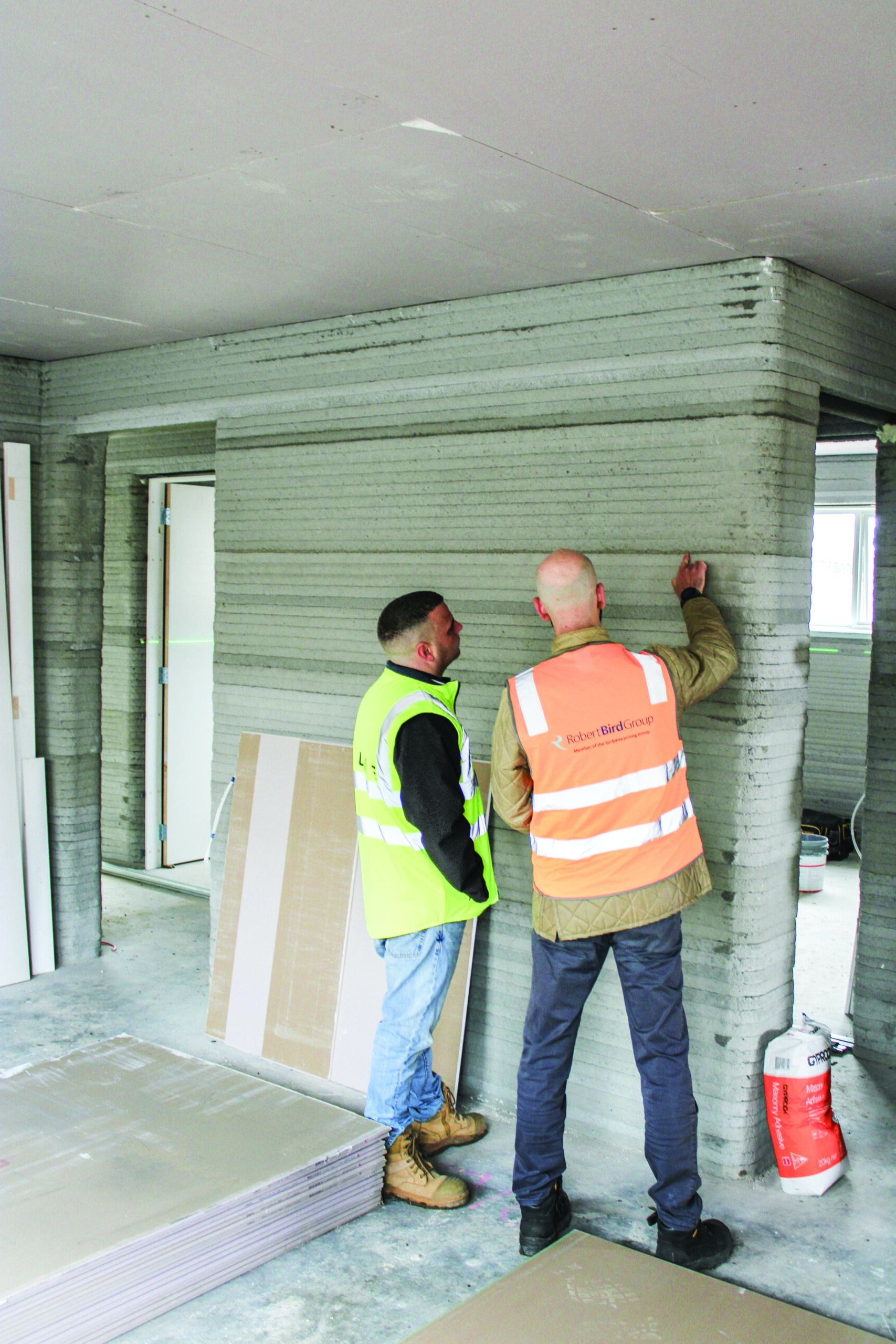
The finished home is more energy-efficient because the wall system consists of an inner and outer 50 mm layer of 61 MPa concrete, separated by a 150 mm insulated cavity. This configuration provides significantly more opportunity to achieve a higher R-value in the external walls.
But that’s not all, the nature of 3D-printed construction produces a far more airtight building envelope, resulting in a lower air-change rate per hour and improved overall thermal performance.
Sustainability at Every Step
The build process is more sustainable because Dune’s printing mix uses a 30 percent reduction in cement, replacing it with fly ash, which significantly lowers the carbon footprint. Any material waste produced during printing is also fully recycled and repurposed into concrete form blocks.
And the benefits don’t stop at construction, 3D-printed walls have a longer life cycle than traditional construction, reducing long-term material use and environmental impact.